Building Capacity.
Changing Lives.
Building Capacity
Changing Lives
An Inspiration to Many
Pally Bikash Kendra (PBK), a non-government organization (NGO), found in 1989. It aims to improve the socio-economic status of the rural poor, especially women and children and to enhance their capacity and ability to control their own lives. PBK wants to see tis beneficiaries as the masters of their own resources. PBK is providing different groups of vulnerable people with demand driven diversified services those are both financially inclusive as well as socially inclusive. The financial inclusion comprises micro-finance, micro-enterprise development & renewable energy. The social Inclusion covers child education, health, sanitation and safe drinking water, gender equity, women empowerment etc.
Vision
To build a poverty-free just happy and prosperous society.
Mission
To ensure basic socio- economic standard for the poor people of its working area through their active participation and leadership.
Goal
To eradicate poverty within its operational area.
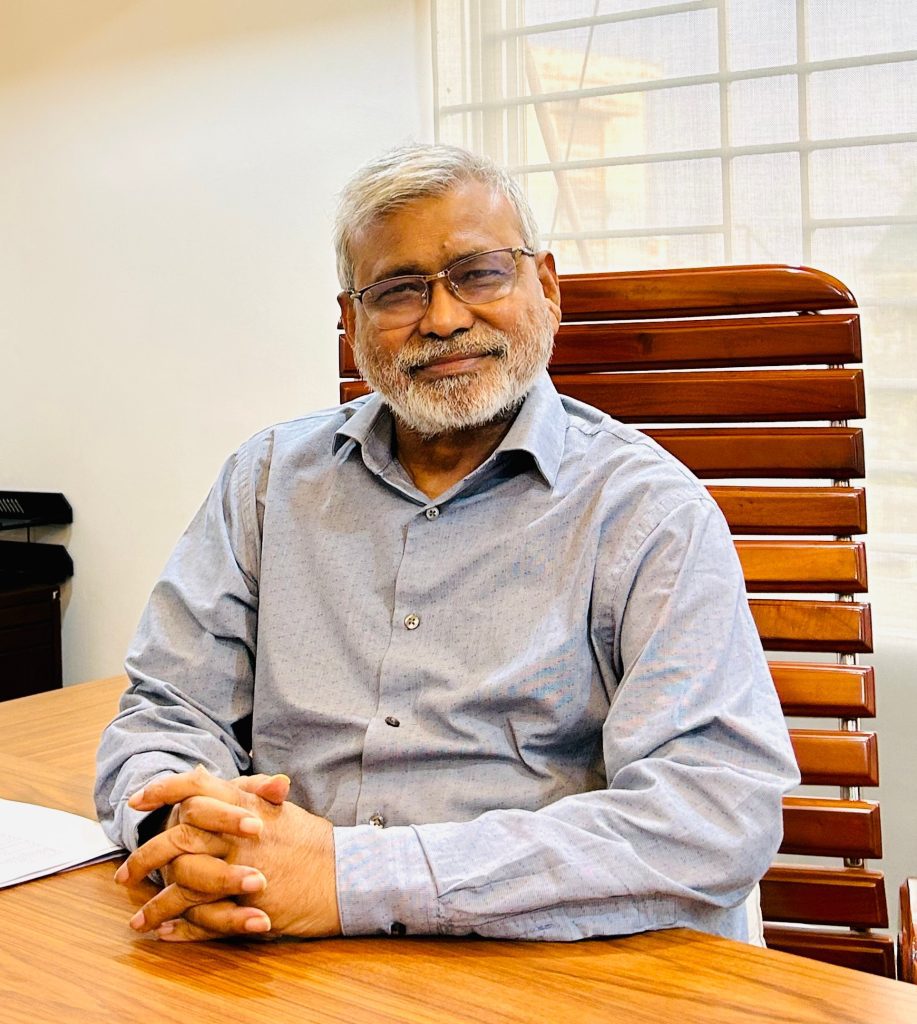
Message from the Founder and CEO, Pally Bikash Kendra.
Pally Bikash Kendra has completed its three decades of humanitarian services to improve the lives of the people living in or below the poverty line. Pally Bikash Kendra supports, promotes and implements poverty eradication-focused microfinance, micro-entrepreneurship development programs through its value chain products, social and economic empowerment of the poor. Since its inception, Pally Bikash Kendra has been fueling its efforts to empower the poor and facilitate in turning the dreams of a better life of the destitutes into reality. We are focused, goal oriented and strongly believe in a poverty free Bangladesh.
I would also like to convey my deepest gratitude to our partners i.e Microcredit Regulatory Authority (MRA), Palli Karma Sahayak Foundation (PKSF), banking and non-banking institutions and the entire NGO community for always being so humble towards us. I am grateful for my entire team at Pally Bikash Kendra who are working relentlessly to ensure we attain our collective goal to eradicate poverty. I would like to thank our beneficiaries for always being with us and supporting us at all times. My heartfelt thanks to all the stakeholders who are providing their monetary and technical assistance in this industry at community, field and individual levels.
Together, we have come a long way, overcame a lot of challenges and achieved great things. However, we still have a long way to go. The future holds countless possibilities and we shall remain united to strive for a greater advancement and for a greater impact.
One day Salma met the manager of Pally Bikash, Shibpur branch. The manager briefed her about the process and rules and regulations. She then applied for a loan of 100,000
In 2021 Abdur met a field officer of Pally Bikash Kendra and communicated his business idea and got familiar with rules and regulations of the organization.
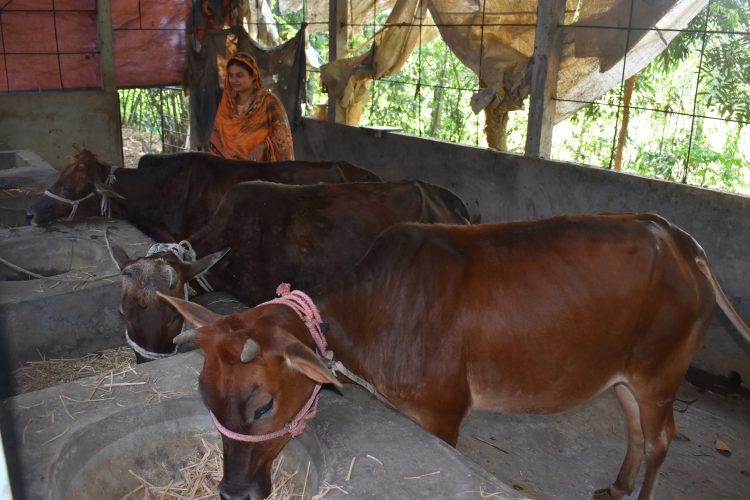
The farm consisted of three cows which they could not expand due to the lack of funds. Therefore, they came to Pally Bikash Kendra, Amraid branch to enroll as a
At the heart of every endeavor, we strive to foster empowerment and resilience. Through our dedicated efforts in capacity building, we ignite transformative change, equipping communities with the knowledge and resources essential for sustained progress.
Contact Us
PBK has started since 1989 to contribute a development methodology with an effective and efficient innovation for the rural poor. PBK is providing different groups of vulnerable people with demand driven diversified services that are financially as well as socially inclusive.